 GET DIRECTIONS




Making It Yours, Not Pinterest’s: How to Bring 2026’s Biggest Design Trends Home
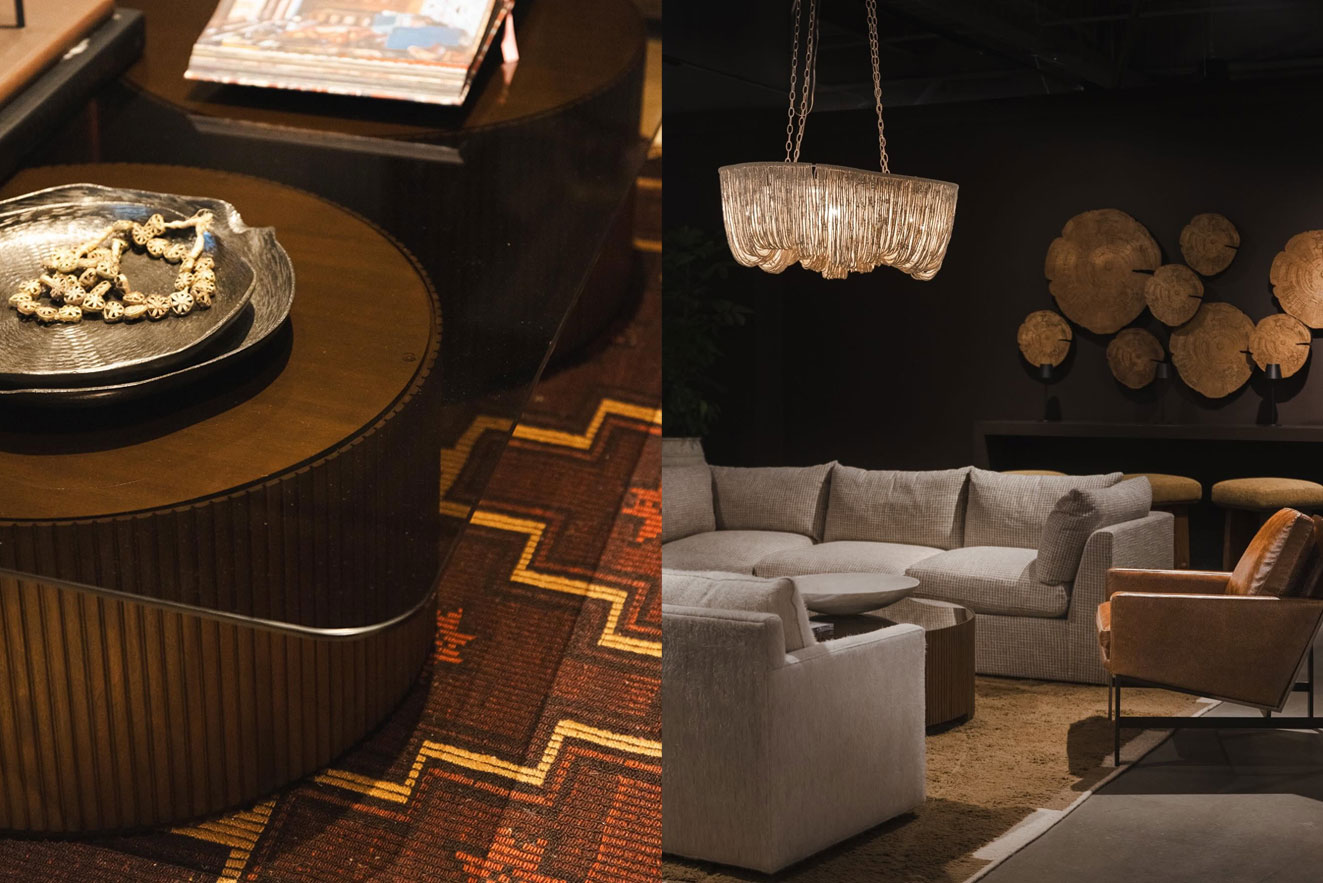
Somewhere between scrolling through a beautifully curated feed and standing in your own living room, something gets lost. The rooms you save feel warm, specific, and alive. Your space might feel fine, but not quite right. That gap has less to do with budget or square footage than with approach. The rooms worth saving were not assembled from a matching set. They were built around pieces with real weight to them, layered with texture, and shaped by actual preference rather than whatever happened to be in stock that season.
In 2026, the interior design world has largely caught up to what thoughtful homeowners have always known: cold, perfectly matched rooms are not that comfortable to live in. The shift happening right now is a move toward warmth, material honesty, and spaces that feel inhabited rather than staged. Deep wood tones, earthy color palettes, handcrafted furniture, and layered textures are not trends for their own sake. They are a correction after years of spaces that looked better in photographs than they felt in real life.
This post walks through the three biggest ideas shaping interiors this year and gives you a practical path for applying them at home, whether starting from scratch or adding to what you already have.
Why Are Warm, Earthy Interiors Taking Over in 2026?
People got tired of living in rooms that felt like hotel lobbies. A 2024 report from the American Society of Interior Designers found that homeowner satisfaction drops significantly when rooms lack what designers call “tactile variety,” meaning a mix of textures, materials, and finishes that give the eye and the hand something interesting to engage with. Rooms built around cool gray palettes and smooth, high-gloss surfaces score lower on comfort and livability than rooms with warmer tones and mixed materials.
That data reflects something most people already sense. A room full of light gray furniture on white oak floors with white walls looks clean on a screen. Living in it, especially over a full winter, is a different experience. The design world is responding with a clear pivot, and the pieces defining 2026 interiors reflect it directly.
The Cold Room Is Over: What Does the Warm Aesthetic Actually Look Like?
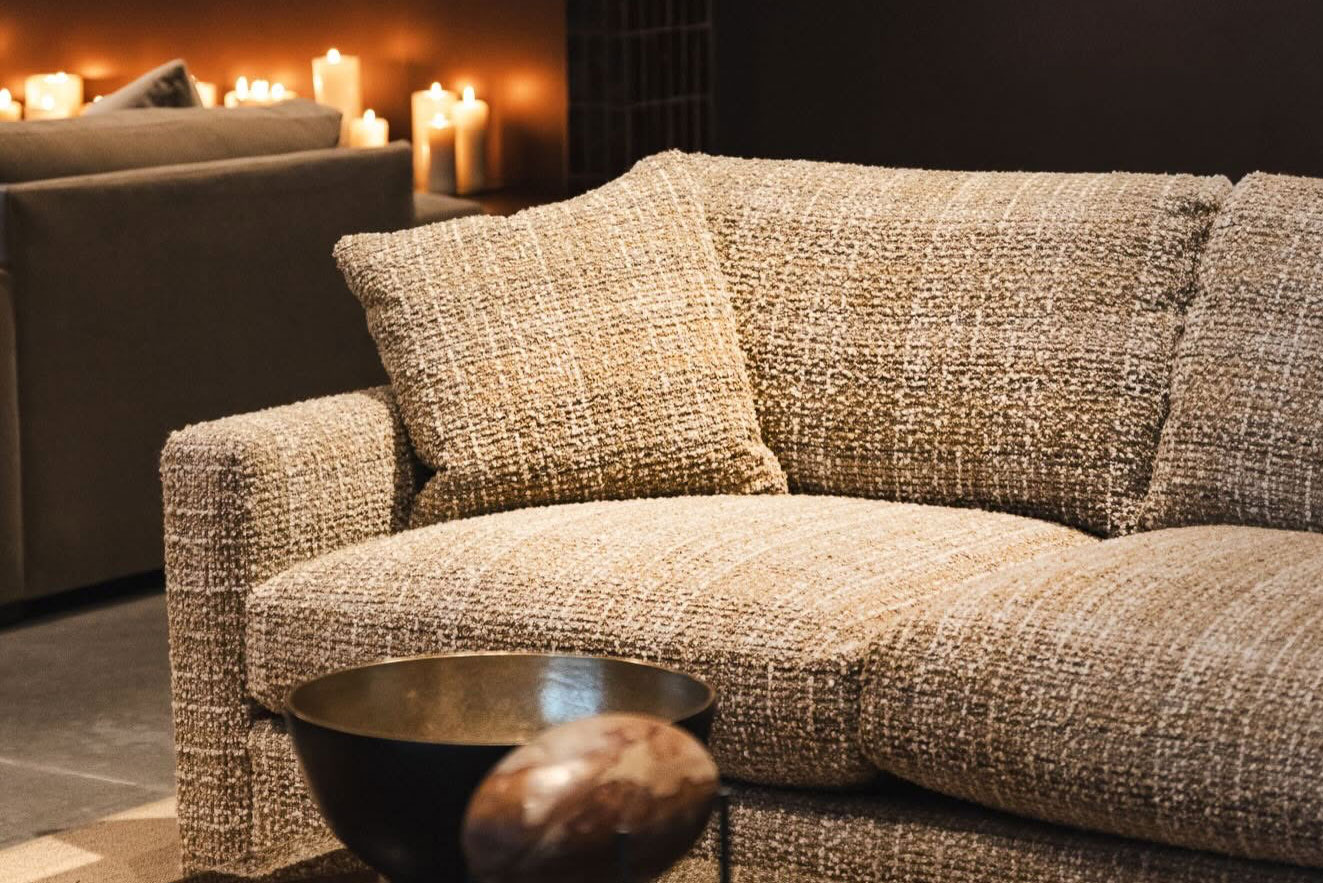
The defining palette for 2026 runs through terracotta, ochre, warm olive, deep amber, and the full range of brown tones from caramel to espresso. On walls, these shades appear as rich paint colors or limewash finishes with visible depth. Floors are shifting toward wider plank hardwood in warm stain tones, replacing the pale Scandinavian ash that dominated the last decade. On furniture, the move is toward deep wood grains with visible figuring, hand-applied finishes that show their process, and upholstery in linen, wool, and leather rather than tight synthetic weaves.
Visible craftsmanship sits at the center of this aesthetic. Exposed joinery, hand-carved details, and finishes that show tool marks are design features in 2026, not imperfections to hide. The furniture that fits this moment best invites close inspection, where the construction itself is part of the appeal.
Why Does Stickley Fit This Moment So Well?
Stickley has been producing quartersawn white oak furniture with hand-applied finishes and exposed mortise-and-tenon joinery since 1900. Its Mission and Arts and Crafts collections read as genuinely current right now rather than period reproductions. The 2026 Collector Edition LaSalle Rocker, available at Fowler Brothers, shows how the brand’s core philosophy connects directly to what people are looking for this year. The wood grain, the joinery, the finish, and the scale all feel right without being self-conscious about it.
For dining spaces, Canadel offers solid birch tables in customizable finishes including walnut, caramel, and weathered tones that pair cleanly with the earthy palette. Tonal coherence matters here more than any single color. Getting the wood tones in your furniture, floors, and accents to feel related without being identical is the goal. Canadel’s finish range makes that kind of careful coordination accessible.
Lexington Home Brands covers the part of this trend that leans toward a more polished, contemporary expression. Collections like Silverado, Oyster Bay, and Barclay Butera carry deep wood finishes and warm upholstery tones with a refined edge. These work well in transitional spaces where the goal is warmth without rusticity, rooms that feel grown-up and collected rather than country or cabin-adjacent.
How Do You Layer Textures Without Making a Room Feel Cluttered?
Layering separates rooms that feel rich from rooms that feel busy. The idea is to build contrast between materials so each surface registers differently. Rough linen next to smooth leather. A stone-topped table next to a wool rug. A matte ceramic lamp beside a polished wood side table. The eye moves through the room finding variation, and that variation creates depth that photographs struggle to capture.
Work in families of color while varying material and finish. A warm neutral palette can hold linen, leather, wood, stone, and woven grass in the same room without conflict because they share a temperature. Mixing warm and cool tones in your hard materials is where things go wrong. A warm walnut table against a cool gray stone floor creates visual noise. Set that same table on warm-toned wide plank hardwood with a natural fiber rug between them, and the room feels settled and deliberate.
Where Does Seating Fit Into the Layered Look?
Stressless seating in leather and fabric options fits this framework well. The brand built its reputation on ergonomic engineering, but its product range in warm neutral tones, cognac leathers, and textured fabrics makes it a practical choice for the layered look. Comfort is a design feature in 2026, not an afterthought. A chair nobody wants to sit in has failed at its most basic job, and Stressless chairs tend to become the most-used piece in any room they inhabit.
The layered aesthetic extends naturally to outdoor rooms. Tropitone and Summer Classics are worth attention here. Covered patios and screened porches now get the same level of material consideration as interior spaces. Natural tones, textured weaves, and pieces with genuine weight carry the indoor sensibility outside without feeling forced. Fowler Brothers carries both brands, along with Lane Venture and HOUE for anyone mixing indoor and outdoor living with a cleaner, Scandinavian-influenced aesthetic.
The layered look also requires accessories. A sofa and a rug are a starting point, not a finished room. Lamps, artwork, throws, decorative objects, and plants make a space feel inhabited. Fowler Brothers carries accent pieces beyond case goods and sofas, and sourcing these alongside furniture with the showroom team is far more efficient than assembling them separately over time.
What Is a “Forever Piece,” and Why Does It Change How You Shop?
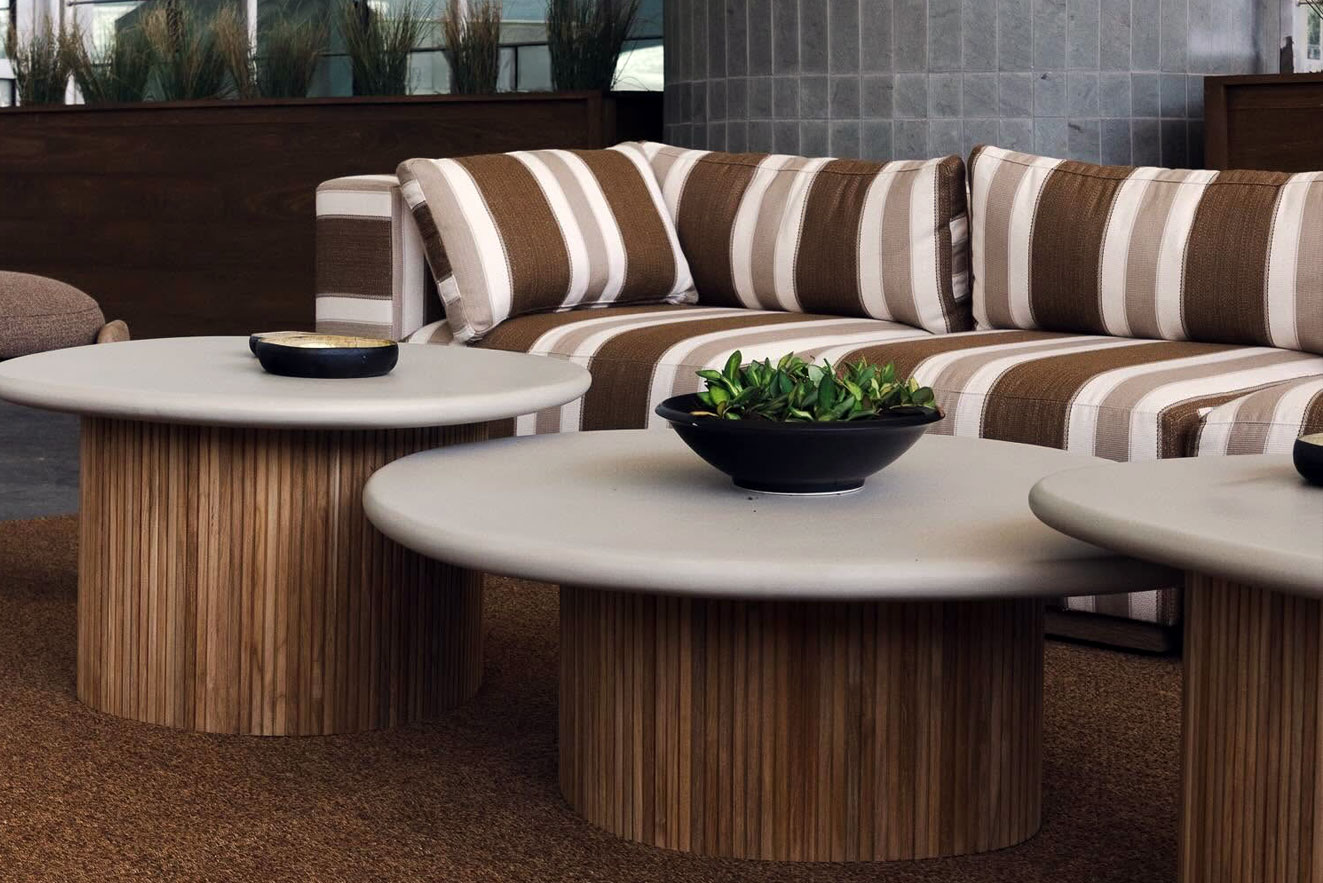
Designers are calling it the “unfitted” room, spaces that feel assembled over time rather than purchased all at once. This starts with a different kind of shopping decision. Instead of buying a coordinated set in one transaction, the approach is to identify one anchor piece that will define the room for the next decade and build around it gradually.
A forever piece uses materials that age well and carries design without the period-specific styling that will read as dated in five years. It is not necessarily the anchor because of its price. It earns that role because the room organizes around it. Guests comment on it. It gets more interesting as the room evolves.
What Makes a Good Anchor Piece Indoors?
A Stickley dining table or a Lexington statement bed frame works in this role because the construction quality and material integrity hold up long-term. Trends shift around these pieces rather than making them obsolete. The same logic applies outdoors. A Brown Jordan, Castelle, or Kingsley-Bate outdoor dining table remains a strong room anchor even after other pieces get refreshed. O.W. Lee and Jensen Outdoor produce hand-finished metal pieces with a vintage-inspired character that fits the collected, non-catalog sensibility exactly.
Once the anchor is in place, surrounding pieces become easier to choose. You are not trying to match anything. You are building a room with a center of gravity, and each addition either works with it or it does not. Winston and Telescope Casual offer complementary patio seating that layers well around a statement outdoor dining set without competing with it.
How Do You Actually Make This Work in Your Own Home?
This process is difficult to execute from a screen. Design trends are easy to pin and hard to translate. The gap between a photograph of a layered, warm room and actually putting that room together is significant. Most mistakes happen at the finish and scale level. A leather sofa that looks right online turns out to be the wrong brown in person. A rug that seems large enough in a product shot disappears under the furniture in your actual room.
The Fowler Brothers showroom exists for exactly this reason. Seeing finishes in person, touching fabrics, sitting in furniture, and working with the design team to understand how pieces read together in your specific space saves time, money, and frustration. The team knows every brand in the showroom and has the experience to help you build a room that feels finished rather than assembled.
Bring your photos, your floor plan if you have one, and a clear sense of the one or two pieces you feel most certain about. The rest is a conversation. The Fowler Brothers design consultation turns inspiration into a specific, achievable plan, rather than a mood board that never quite lands.
Frequently Asked Questions
Is the warm, earthy interior look going to feel dated in a few years?
No. This trend is a return to something durable rather than a departure into novelty. Warm wood tones, natural materials, and handcrafted furniture have defined quality interiors for over a century. What changes are the specific expressions of those values. The pieces worth investing in now rely on timeless construction and material quality, not trend-specific styling.
What is the easiest way to start introducing warmth into a room that currently reads as cool and gray?
Start with textiles. A wool or natural fiber rug in a warm tone, a few linen throw pillows, and a leather accent chair will shift the temperature of almost any room without a full overhaul. Replacing a single cool-finish light fixture with a warmer alternative makes a noticeable difference. The anchor furniture pieces can come later.
Do earthy tones work in small spaces, or do they make rooms feel smaller?
Earthy tones do not shrink a room. What creates compression is low contrast and dark ceilings. Warm walls with light ceilings and varied lighting maintain openness while adding richness. Many of the most effective small rooms in contemporary design use deep terracotta or warm ochre to create intimacy that feels intentional rather than cramped.
What does it mean to mix indoor and outdoor furniture aesthetics?
The indoor-outdoor approach treats the covered patio or screened porch as a genuine room. Use outdoor furniture in natural tones and textures that echo the interior palette, add outdoor rugs, bring in consistent lighting, and include accessories that make the space feel inhabited year-round. The result is a home that meaningfully expands its livable footprint.
How much should someone spend on a forever piece?
There is no universal number, but the framework is straightforward. A forever piece should represent the quality ceiling for that room, because everything around it will reference it. Spending less on the anchor and more on the surrounding pieces is the wrong allocation. The anchor carries the room’s credibility, and everything else earns its place by working with it.
Can I work with the Fowler Brothers design team even if I only want to buy one or two pieces?
Yes. The design consultation at Fowler Brothers is open to anyone considering a purchase, regardless of scale. The team helps you understand how pieces relate to each other and to your existing space, which is useful whether you are furnishing a room from scratch or adding one meaningful piece. Contact us today to schedule your consultation.

